
For historians, journalists, and novelists, archives are treasure troves packed with stories. Depending on the place, you might find boxes of old letters—official and personal—along with invitations, newspaper clippings, journals, and oral histories. Some archives hold government reports, secret or not, and all kinds of notes. The list is endless. For anyone who loves stories, these materials spark curiosity and sometimes provide answers. Personally, I love stumbling across magazines, pamphlets, maps, or an unexpected photograph. Inside official papers and long-forgotten letters, you find glimpses of real lives, open-ended questions, and mysteries that history never quite solves. Writers don’t just collect facts—they look for the human stories underneath, turning records into tales that make the past feel alive.
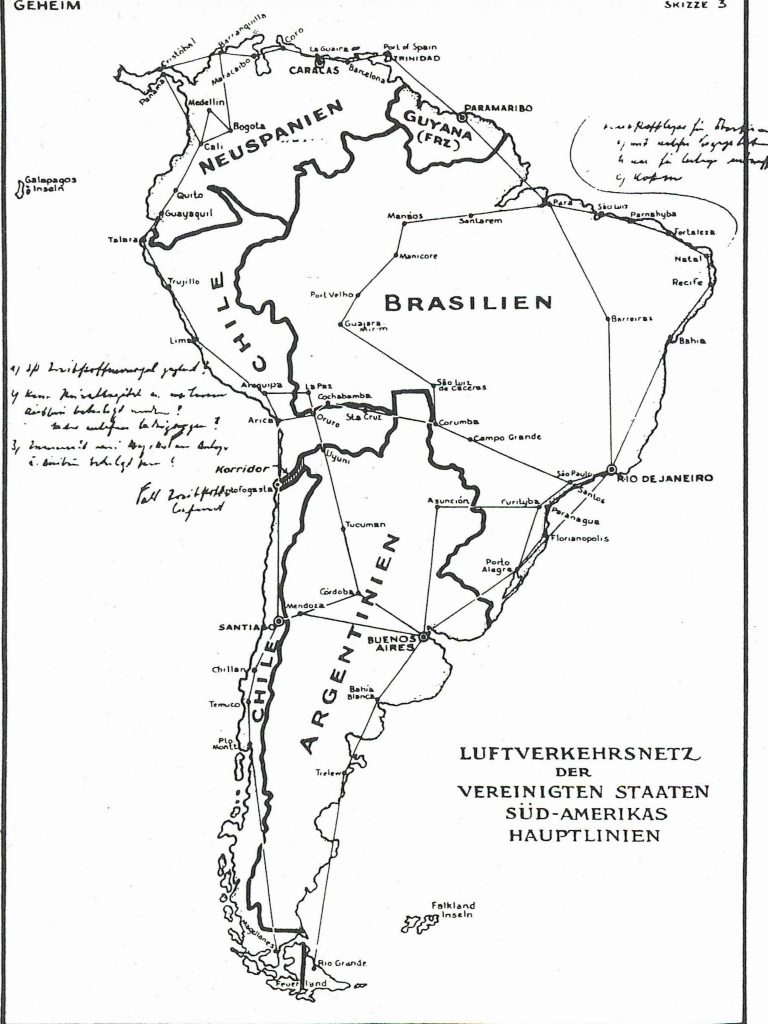
Archives are collections of unique histories. They tell the stories of people, communities, and moments in time. They’re full of authentic details and hold stories waiting to be told—stories that could add depth to history or bring forgotten voices to light. For novelists, archives are a gold mine of authentic detail. They offer glimpses into everyday life you won’t find in most history books. Sometimes a single letter, photo, or court transcript is enough to inspire a whole novel. I’ve always wanted to write fiction about a map made during World War II. To do that, I’d need to visit the Franklin D. Roosevelt Presidential Library, the National Archives in both the U.S. and the U.K., and maybe even a specialized map collection. Maybe those archives would have notes about the emotions behind the map, or debates over whether it was real. As writers—fiction or non-fiction—we search for conflict, emotion, and unanswered questions. Sometimes what’s missing is more inspiring than what’s there. I could end up discovering a totally different story just by showing up. Storytellers get to imagine what happened between the documented facts. Think about the secrets that might be hiding in archives: family scandals, lost identities, political plots, and community histories waiting to be discovered.
Writers usually research before they start writing, or at least use it to flesh out their ideas, and that research often begins in archives. That’s not true for every kind of writing, of course, but for storytellers who turn facts into fiction or craft books for history lovers, research is key. Good writers balance accuracy with imagination. If you’re writing a novel about the Salem witch trials, you probably won’t just make up names; you’ll look at the real ones from back then for inspiration. You might even use real people as a starting point for your characters. Archives help you do this—they’re full of details you can use to build a richer, more believable world. They let you add sights, sounds, and textures from the past straight into your story.
But beyond research and inspiration, writing, whether fact or fiction, also comes with responsibility, especially when it draws from archives. Storytellers need to respect real voices from the past and remember perspectives that are often left out. Non-fiction writers try to fill in the blanks with as much truth as possible. Fiction writers have to be careful not to twist history too far from reality. Historical fiction helps readers connect with people from a different time. Uncovering hidden histories alongside the characters can be exciting. Sometimes a secret from the past can raise the emotional stakes for the present. Digging through archives can lead to some of the most amazing stories.
One of my favorite book series is by Deborah Harkness, a professor who became a fiction writer, and her research shows how archives can shape fiction. She did research at places like the Bodleian Library—the same library her main character visits in A Discovery of Witches. That example shows that archives aren’t just about facts. They’re places where forgotten stories, hidden connections, and unanswered questions turn into gripping fiction. Archives keep the official record, but writers find the human stories buried in the details. Sometimes, behind a faded document, there’s a secret just waiting for someone to bring it to life.


Leave a Reply