
Mind-Mapping in the Classroom
This past summer (2026), I was asked whether I wanted to teach my Readings in Espionage course. I happily said yes. Then I realized it was an 8-week session, which meant I needed to create a whole new experience. For context, I teach in the honors college at my university, where our reading courses explore contemporary interdisciplinary topics in the sciences, social sciences, humanities, and engineering. These are one-credit courses that meet once a week for an hour. The topics are varied, but students usually read a book or paper or watch a film, then complete some weekly homework before discussing the assigned material.
My course covers espionage and the intelligence community. In a longer semester, we typically read 4-5 books. However, the read-write-talk style didn’t lend itself well to a two-hour weekly session. Given that the students were all working on summer research projects in various labs—biology, neuroscience, computer science, mechanical engineering, etc.—I wanted to keep the weekly reading to about 100 pages. I needed to restructure the entire course to fit this new timeframe.
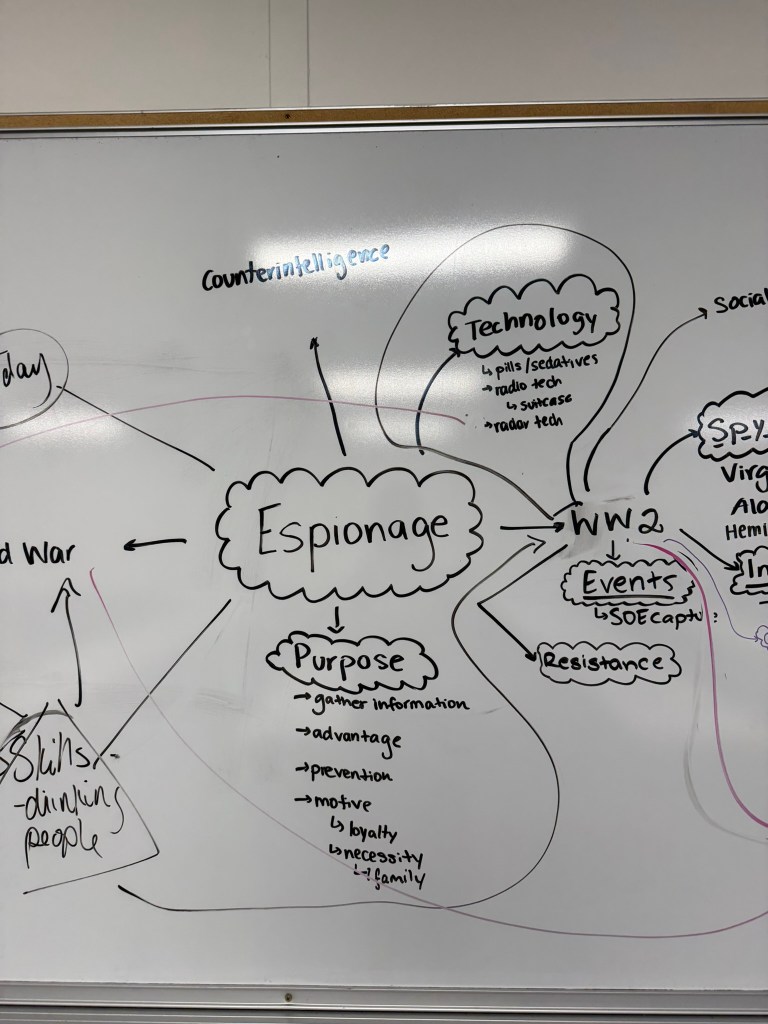
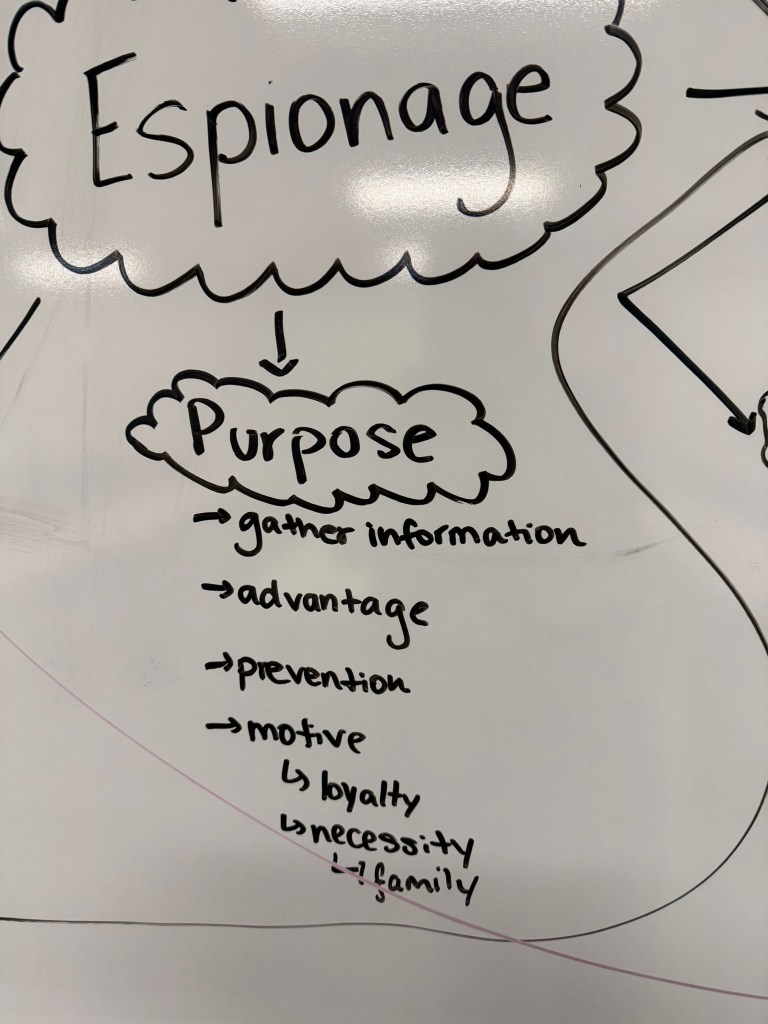
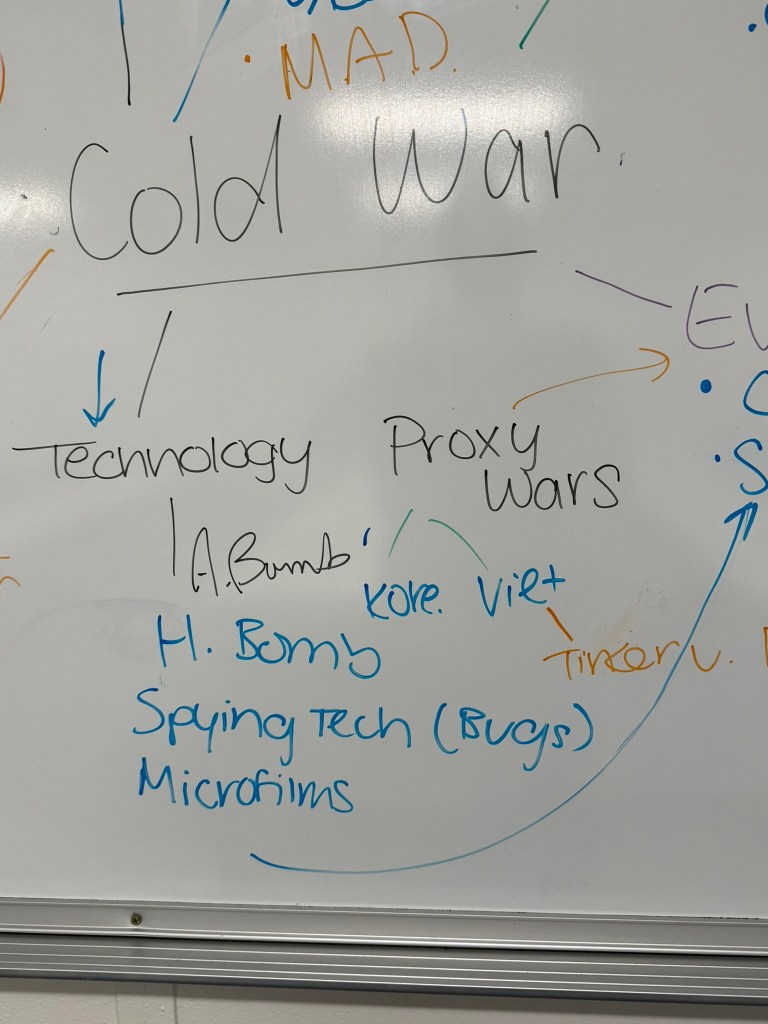
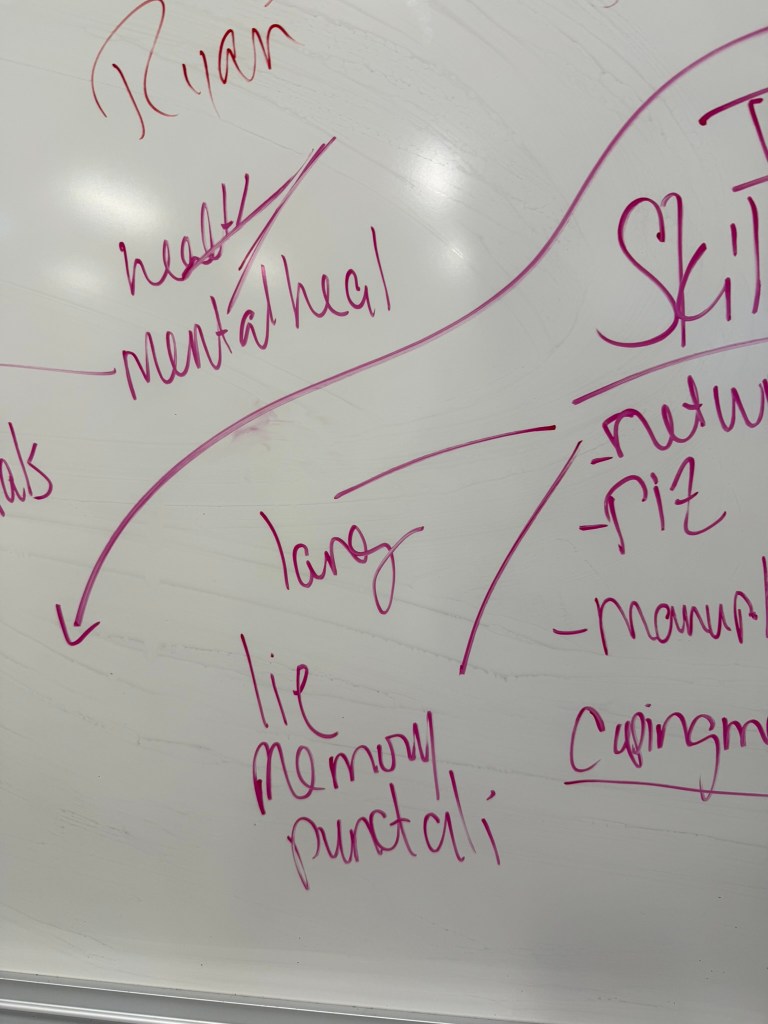
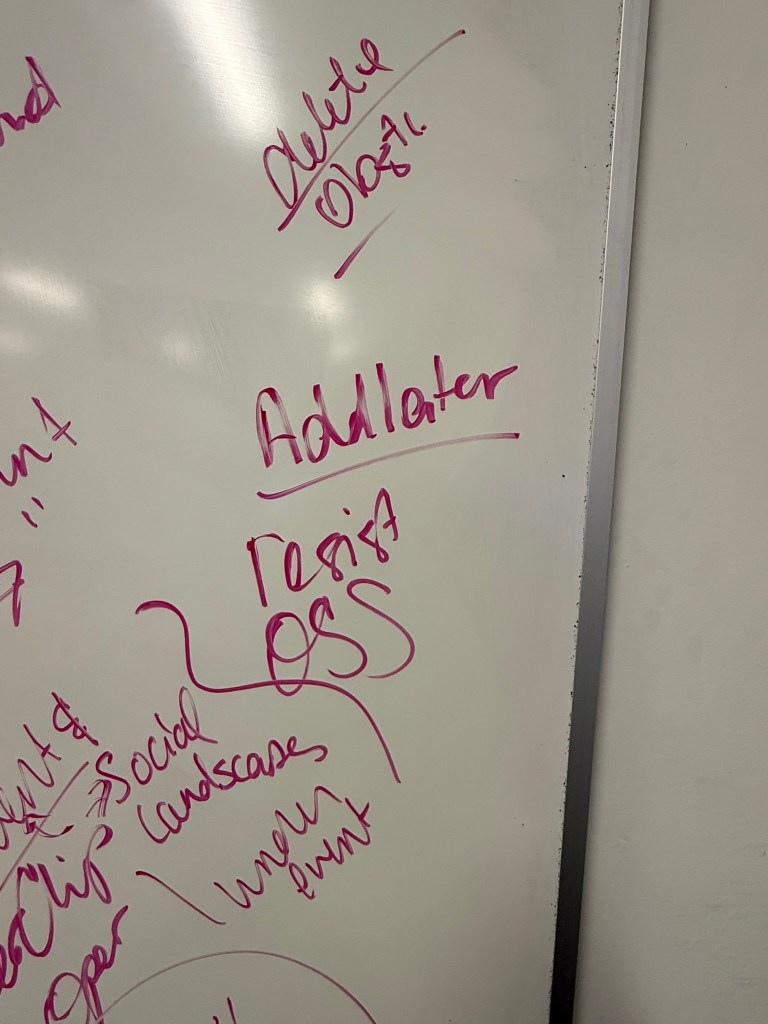
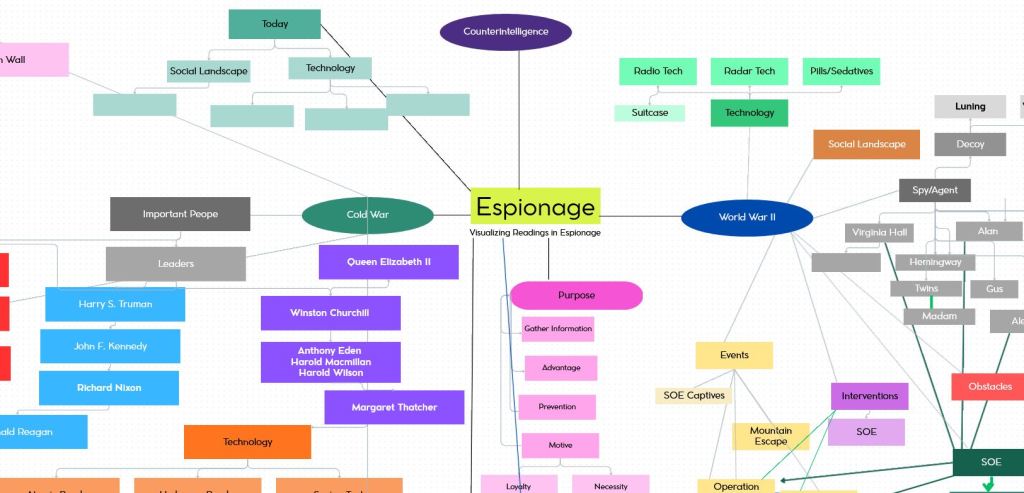
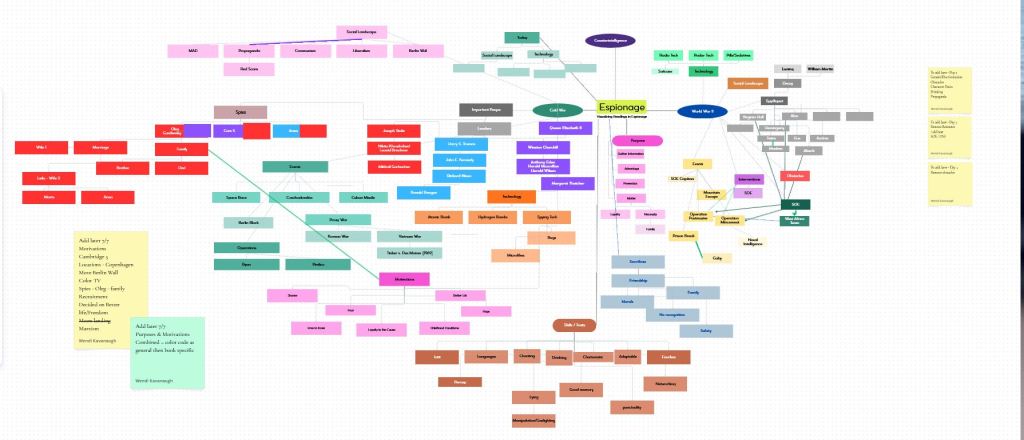
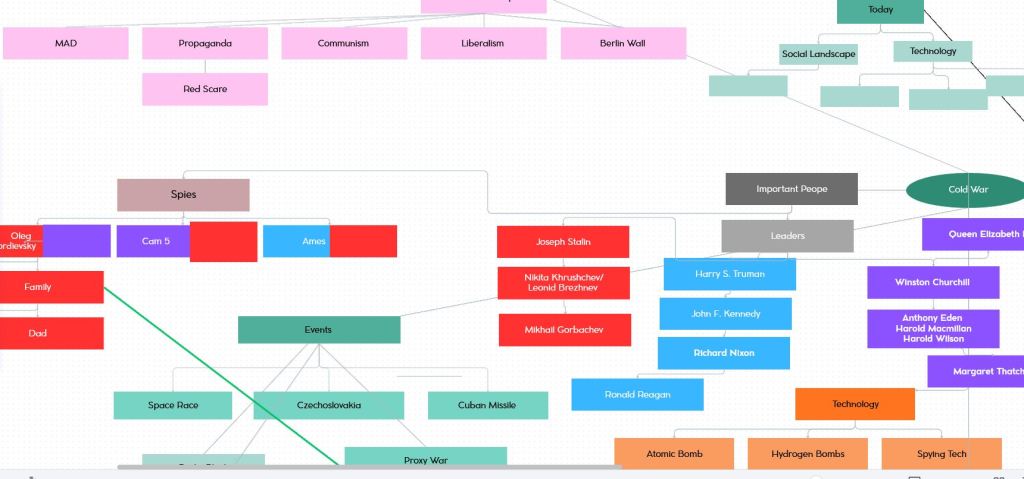
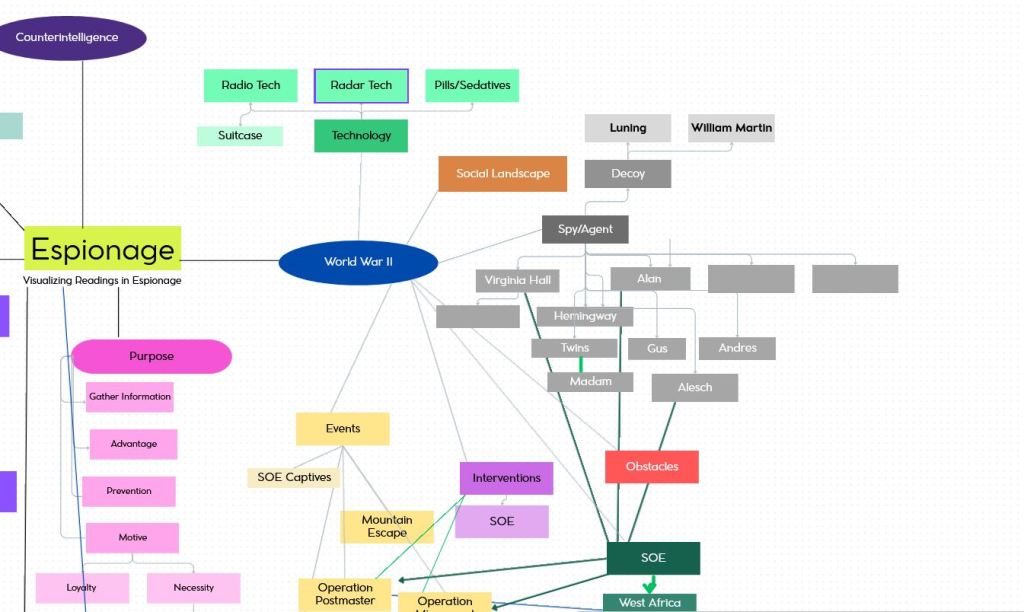
I selected two manageable books for the summer. The class was designed to have 50 minutes for discussion, followed by a short break, and then I would talk about a specific spy, spy operation, or event from the same timeframe for about 15 minutes. After that, we dedicated 50 minutes each week to creating a class mind map. This group activity was straightforward with 15 participants. When I say mind map, I’m referring to the brainstorming technique where you have a central idea and then create branches off it. Mind maps visually represent a concept, idea, or task.
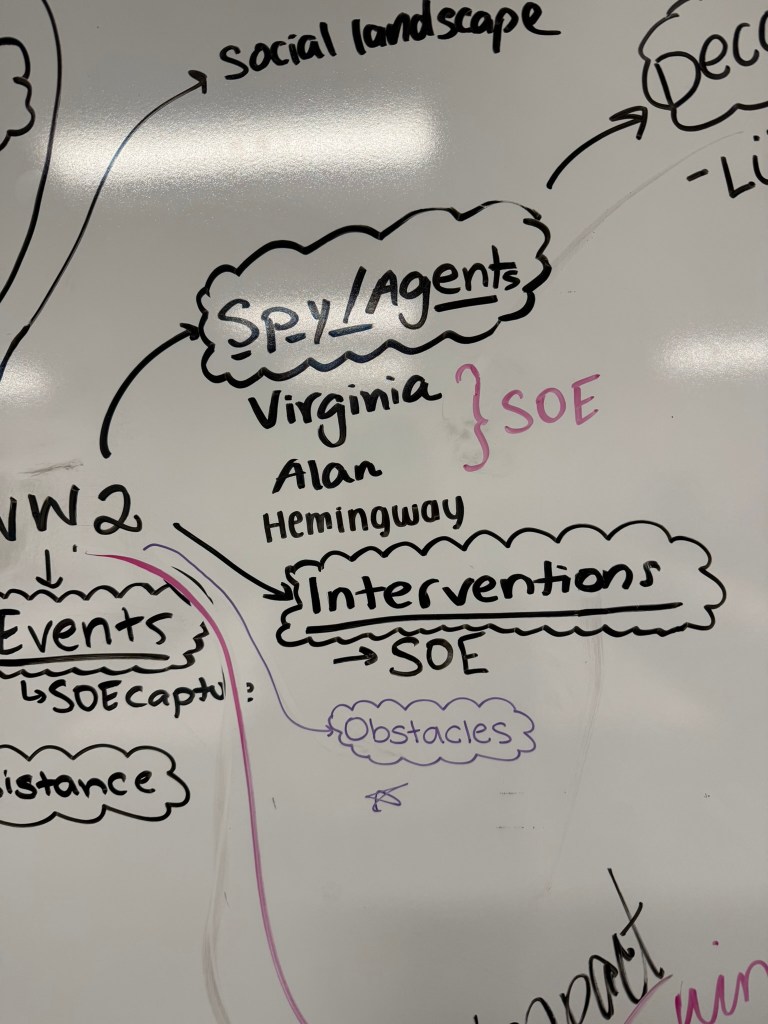
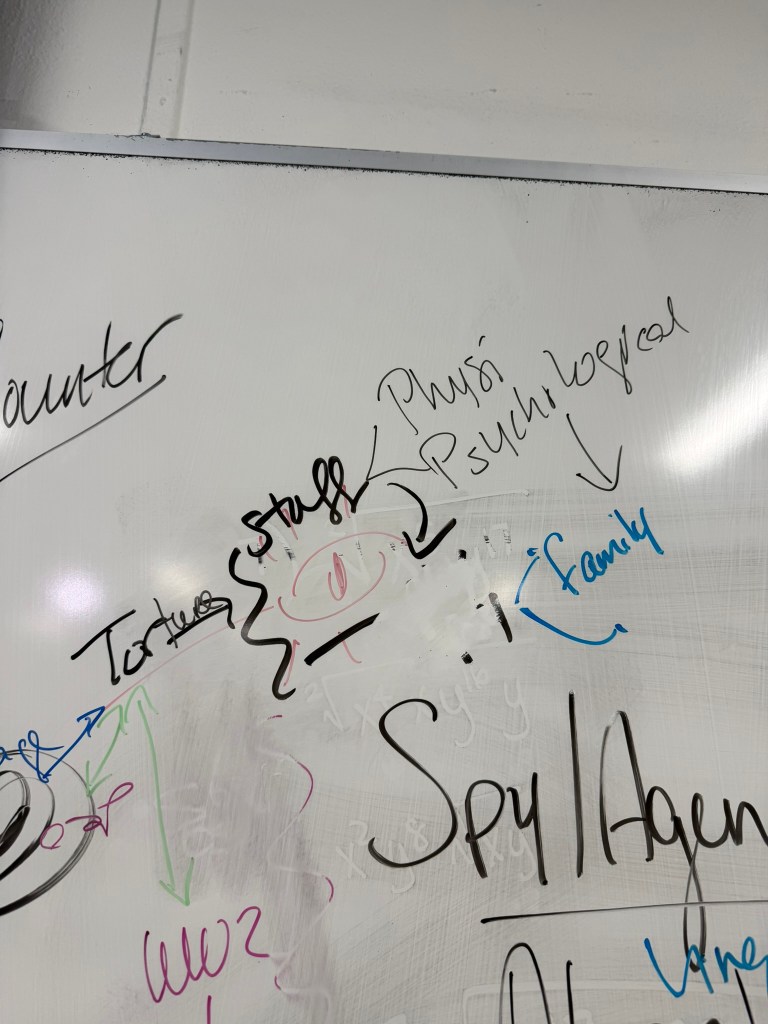
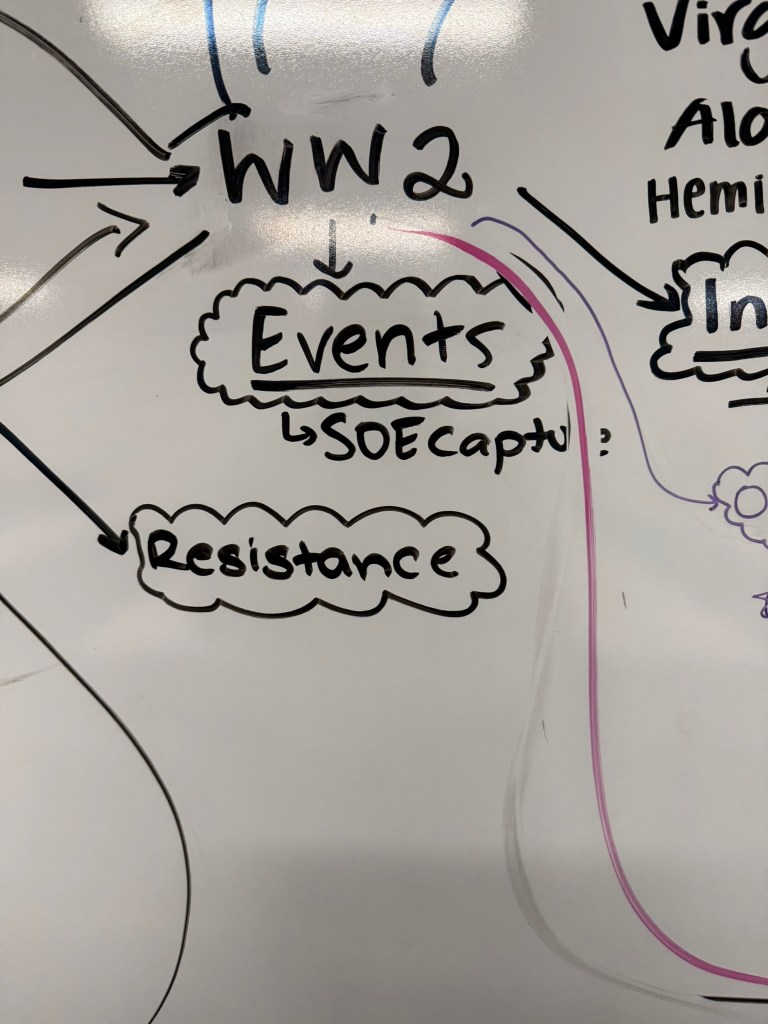
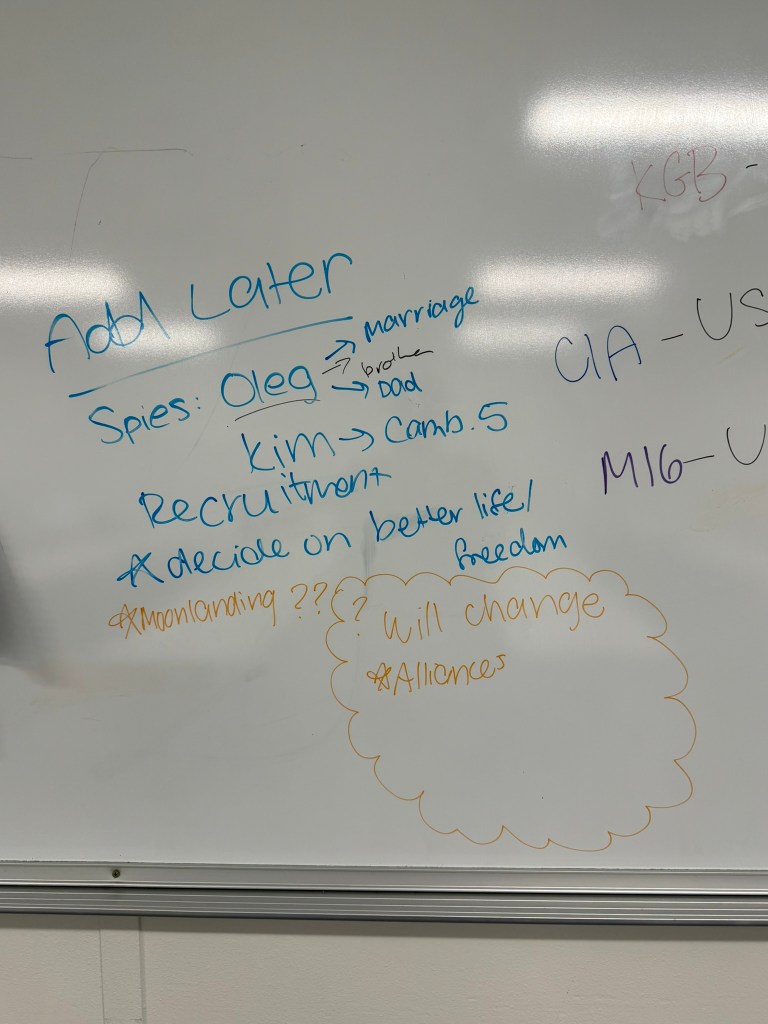
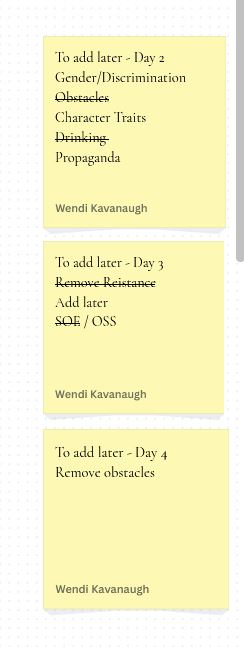
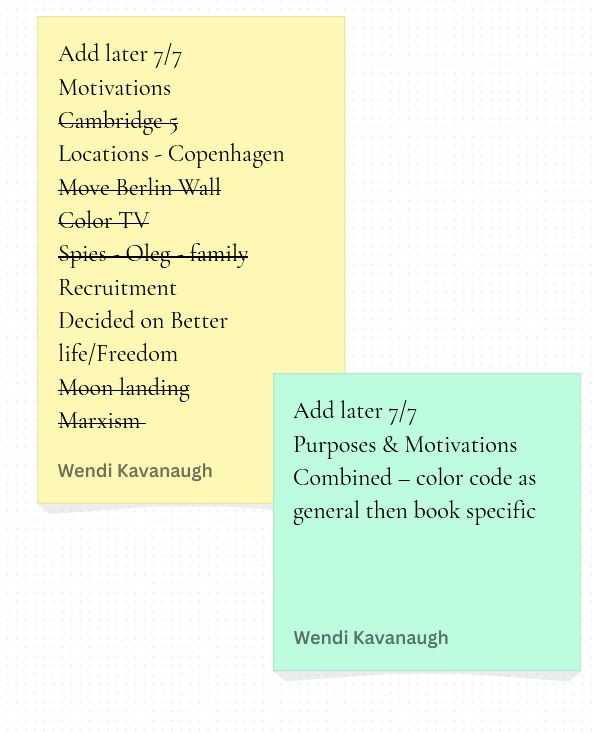
During our second class, students chose the central word or theme for the map and began creating small branches. However, as time went on, things started to get a bit chaotic. We began with a simple idea using a whiteboard and markers, and during the next session, I asked if they wanted to switch to a different style of mind map. They preferred to stick with what we had. Each time we added something new, we discussed its relevance and placement. At one point, two students pitched topics for inclusion, but the class voted against both. One suggested color TV, but after I questioned whether it still fit the theme, she replied, “No, I did some research.” The other student was adamant about including the moon landing due to its connection to the “arms race.” He persisted in trying to add it each week, but the class ultimately decided it didn’t fit our focus.
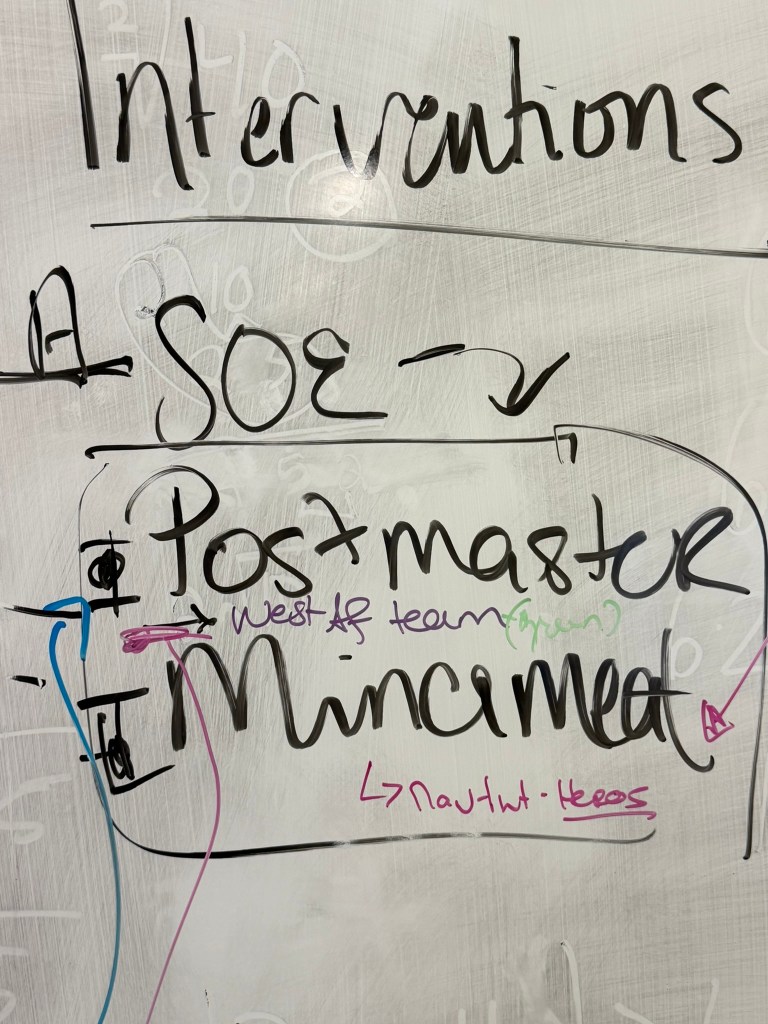
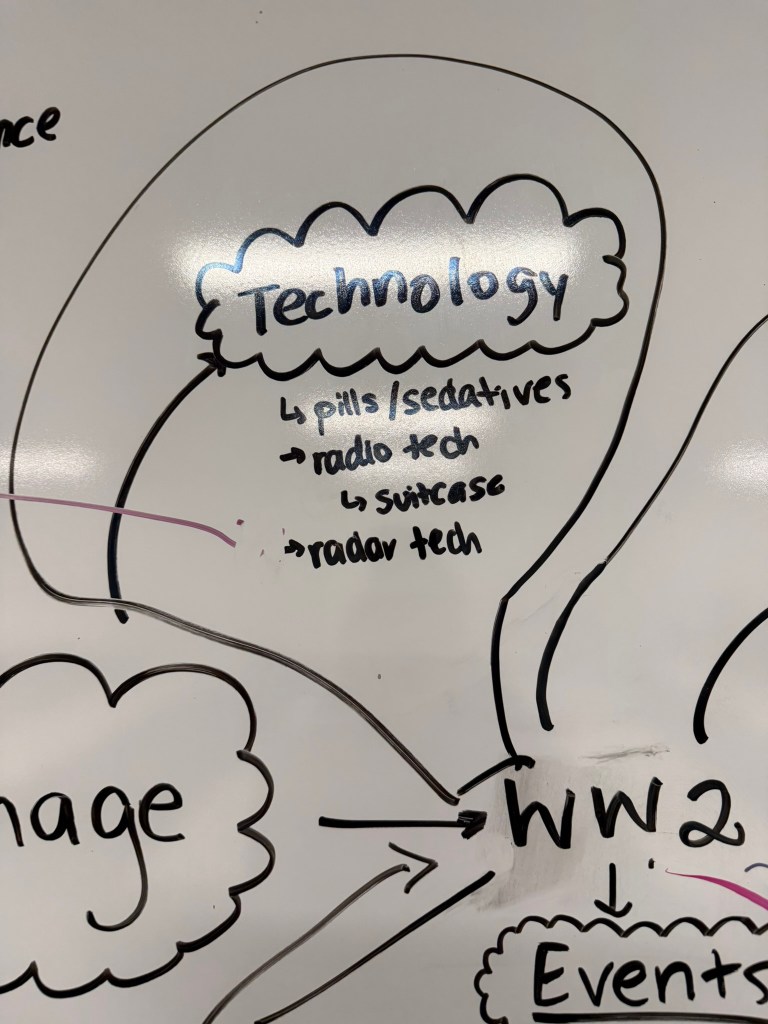
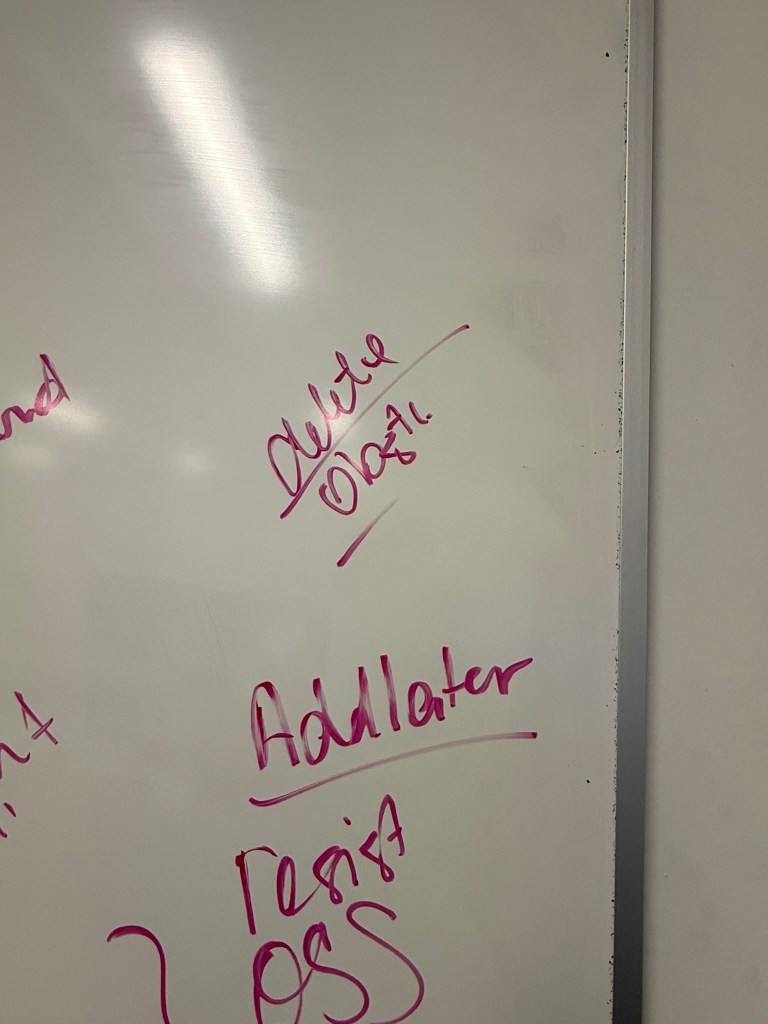
As the weeks progressed, our mind map began to grow more intricate. I took weekly photos of the boards and later recreated the mind map using Canva. The students were impressed to see all the connections they’d made. They were also quick to point out any mistakes or spelling errors. I tend to type too quickly, and sometimes I miss the red wiggly line in Canva. They humorously insisted I should leave the misspellings as they added “character” to the map, but I ultimately fixed them. I occasionally offered input or raised concerns when they wanted to add new items, encouraging them to think critically about their choices. By the end, they could recognize the “mistakes” they’d made—not because they were entirely wrong, but because they didn’t fit where they had placed them or perhaps didn’t belong at all. This reflection showed their growth and learning throughout the summer, which I consider a success.
One student noted in my evaluation that the mind map activity was confusing, and I agree, it was a bit messy. Still, I view it as a success and plan to refine what I started for future summer classes. Trying new things in a course can end up being great, disastrous, or somewhere in between. The mind map project fell somewhere in that middle ground because it provided valuable insight into their learning process. Perhaps it would have worked better with different books or a different teaching approach. These reflections allow us as educators to adapt and improve. Enjoy the project photo gallery below! Click to enlarge.


Leave a comment