
without drowning in it
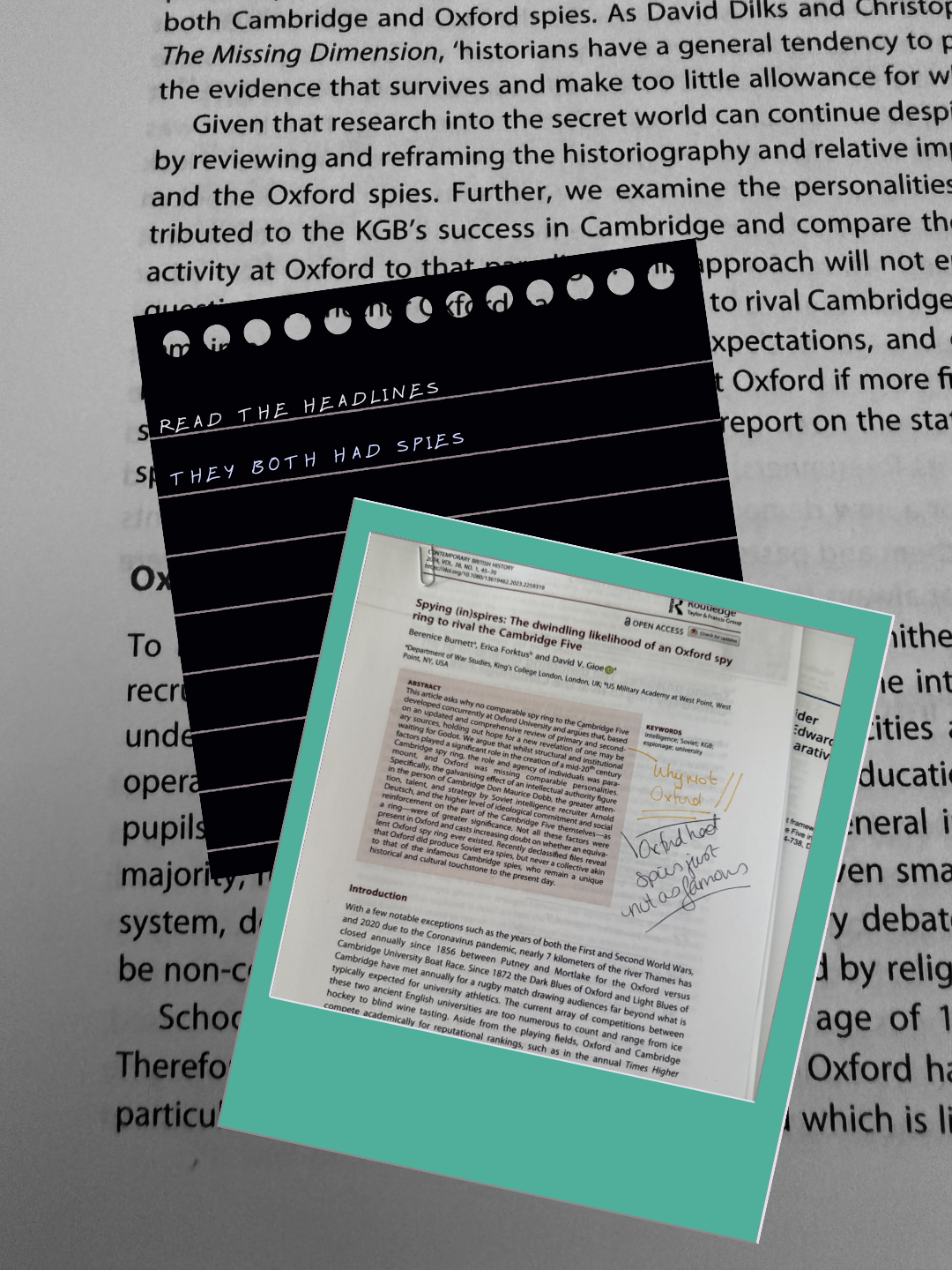 At first glance, reading scholarly articles might seem simple, but it can actually feel confusing. Dense writing, new terms, and lots of citations can make it hard to get started. Often, the real challenge is your mindset, not just understanding the content. It’s normal to feel overwhelmed. Try to develop a plan that helps you feel more in control and confident.
Begin by reading the abstract a few times. Then skim the introduction and conclusion, and look over the section headings. Check out any tables, figures, or images. Don’t expect to fully understand a long article in just an hour. Ask yourself what the article is trying to say or accomplish. Taking your time with these steps will make the rest of the reading easier. You don’t need to understand everything right away. If you try to, you’ll only get frustrated. Take it slow and look up anything you don’t understand after you finish a section, not while you’re in the middle of reading.
Scholarly articles have different parts, and some are more important depending on what you need. If you’re writing a literature review, focus on the introduction and the section about previous research. If you’re analyzing methods, read the methodology section carefully, maybe more than once. If you’re getting ready for a discussion, pay attention to the argument and findings. It’s okay to skip, skim, or read sections out of order. This isn’t cheating—it’s about understanding your goal. Learning how to read these articles is part of becoming familiar with your field. Skipping, skimming, and reading out of order are good strategies.
Take notes to make things easier for yourself later. Don’t just rewrite the title or abstract in different words. Instead, read them, make sure you understand, and then write a short summary in your own words about what the article is about and how it might help you (especially if you chose it yourself). Keep your summary to two or three sentences. Next, list any important terms or concepts. If the article has keywords, try to define them in your own words. Pick one quote that stands out to you, add it to your notes, and explain why you chose it. Take a moment to analyze that quote in two or three sentences. Think of your notes as a trail to help you remember the article, so you don’t have to read it all over again.
If something is confusing, it probably really is. Ask someone for help or look it up. Talk with your classmates, bring your questions to office hours, or find a review article that explains the terms. Remember, scholarship is a conversation, not something you do alone. The more articles you read, the easier it gets. You’ll start to notice patterns and recognize arguments. Over time, reading these articles will feel less overwhelming.
It’s normal if it takes a while to really understand an article. You just need to know enough to talk about it. Think about what the main conversation is and how you can learn from it or add your own ideas. Even if your only question is ‘why,’ that’s fine. It took years to get to your current reading level, and learning to read scholarly articles will take some time too, but not years. Be patient with yourself and use helpful strategies to make it easier.


Leave a Reply